Africa Packaging Market Expected to Reach $58.46 Billion by 2031
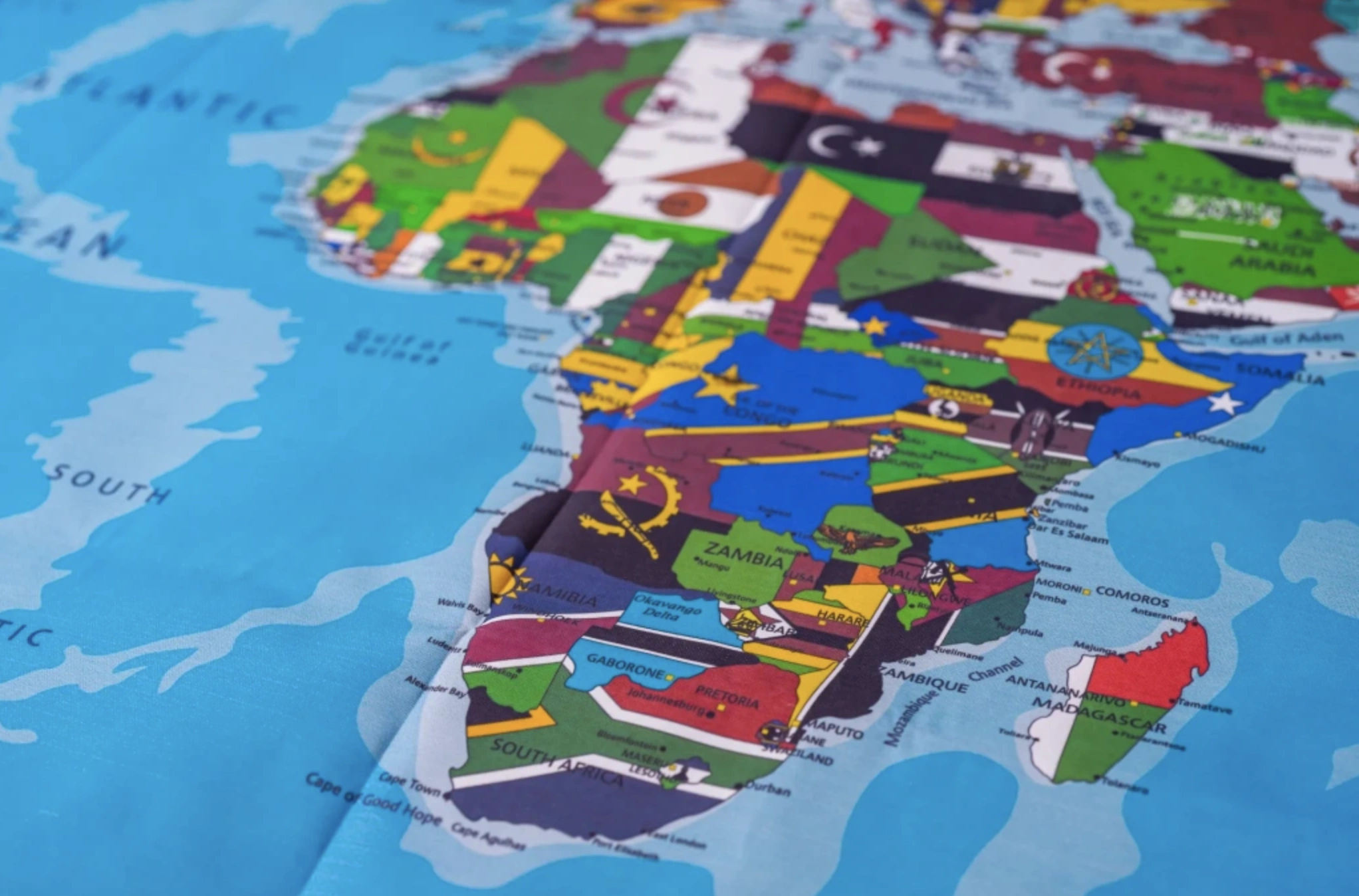
The African packaging market is projected to reach $58.46 billion by 2031. However, investment opportunities have expanded beyond just building factories to increase production. Today, investors are looking closely at recycling, local manufacturing, and packaging infrastructure.
Driven by growing consumer demand, local manufacturing, and regional trade, Africa's packaging sector is creating new opportunities across the entire supply chain. Market data shows that the market was worth about $47.14 billion in 2026 and is expected to grow at an average annual rate of 4.4% to reach $58.46 billion by 2031. Plastic remains the largest packaging material, while flexible packaging is one of the fastest-growing formats.
Behind these numbers lies a broader business logic. Rising demand for packaged food, drinks, medicines, and daily consumer goods is driving the need for locally produced packaging. At the same time, recycling, recycled materials, and regional manufacturing facilities are becoming increasingly important parts of the supply chain.
Africa is not a single, uniform market. Countries vary widely in consumer demand, infrastructure, government rules, and recycling capabilities. For investors, looking at individual markets and specific projects is just as important as looking at the growth potential of the entire continent.
Urban populations in Africa are growing, expanding the customer base for everyday products. The African Development Bank estimates that the continent's economy grew by 4.2% in 2025 and 4.3% in 2026, supported largely by private spending. For packaging makers, the main question is: who will supply these products? As more food, drinks, and goods are made locally, the demand for bottles, cans, boxes, caps, labels, and shipping materials increases. Producing these items locally also replaces the need for expensive imports. Therefore, urbanization and industrial growth boost demand in two ways: more people are buying packaged goods, and more factories need packaging.
However, opportunities differ from country to country. Some nations have large consumer markets and well-established manufacturing, while others are just starting to develop their domestic packaging supply. Investors must look beyond general growth statistics and evaluate local customer bases, factory capabilities, and access to neighboring markets.
Recent trends show that companies are doing more than just adding new production lines. In January 2025, Austrian packaging and recycling firm ALPLA bought the remaining shares of its joint venture in Egypt. This facility, located near Cairo, produces plastic bottles, preforms, and caps for North Africa and the Middle East. It serves food, beverage, home, beauty, and pharmaceutical clients while expanding ALPLA's local recycling efforts. This deal shows how packaging investments can combine large-scale manufacturing, established customer networks, and material supplies.
Nigeria offers another clear example. In March 2026, Indorama Ventures, Nigerian Breweries, and Genesis Energy announced plans to build a food-grade recycled PET (rPET) plant in Lagos. Designed to produce up to 45,000 tons of rPET resin per year, the plant aims to start operating in early 2027. This project connects consumer waste with raw material supply by turning used PET bottles into new packaging materials. As demand for stable supplies of recycled materials grows, waste collection and recycling are becoming vital parts of the packaging supply chain rather than separate waste-management businesses.
Plastic packaging still holds a strong position in Africa, especially for products that require low unit costs, lightweight materials, and reliable protection. Reports estimate that plastic accounted for 48.19% of Africa's packaging market revenue in 2025, with flexible packaging expected to grow faster than the overall market through 2031. Pouches and small sachets are popular because they suit small-portion sales and reduce shipping weight compared to rigid containers. However, the rise of flexible packaging raises a key question for investors: how can companies stay competitive while managing post-use waste?
Stricter plastic waste regulations and pressure from consumer brands have made recyclability and recycled content far more important. For packaging producers, designs that meet performance needs while fitting into emerging recycling systems are becoming much more valuable. Rigid plastic packaging faces similar pressures. While PET bottles remain essential for the beverage industry, the supply, quality, and cost of recycled PET are crucial for companies striving to meet sustainability goals.
Recycling is one of the clearest areas where market demand, regulations, and investment meet. In 2024, Kenya introduced Sustainable Waste Management regulations that make producers responsible for the entire life cycle of their products and packaging. Under these rules, companies must manage post-consumer waste and participate in mandatory compliance programs. Kenya also created regulations to control plastic packaging materials, setting up a framework to promote eco-friendly options and recycling. While these requirements increase compliance costs for packaging users, they also create strong demand for collection, sorting, and processing facilities.
Development finance is already supporting some of these efforts. In Ghana, the International Finance Corporation (IFC) is backing plastic recycling operations to strengthen the local circular economy. Still, a large funding gap remains. A World Bank study published in 2026 found that out of nearly $198 billion tracked in circular economy investments globally, only $14 billion—about 7%—went to low- and middle-income countries. The study noted that Africa has not yet attracted large-scale circular economy investments.
For investors, this funding gap represents a major opportunity. Projects that recycle packaging waste, produce reliable recycled materials, or reduce reliance on imported raw materials can meet growing industrial demand while supporting sustainability goals. The main challenge lies in turning this potential into profitable infrastructure, as collection systems, material quality, power reliability, and waste volume directly affect a project's financial success.
Investment decisions are also shaped by whether a facility can serve an entire region rather than just one country. The African Continental Free Trade Area (AfCFTA) aims to boost trade within Africa and build stronger regional supply chains. The United Nations Conference on Trade and Development (UNCTAD) emphasizes that expanding intra-regional trade, infrastructure, and economic diversification is crucial for Africa's development.
For packaging companies, better regional integration changes the math behind local production. A factory capable of serving several neighboring countries can scale up much faster than one relying on a single market. Regional production also places packaging capacity closer to food, beverage, and pharmaceutical makers, reducing the need to ship finished packaging across long distances. Industrial parks and special economic zones are helping drive this shift. In 2025, Afreximbank partnered with the ARISE Integrated Industrial Platforms to launch a $450 million credit facility supporting industrial parks across several African nations, including Nigeria, Ivory Coast, Kenya, and Malawi. These manufacturing hubs create concentrated demand for primary, secondary, and shipping packaging.
Growing demand alone is not enough to make a market a good investment. Packaging manufacturing requires reliable electricity, transport networks, ports, raw materials, and access to finance. Weaknesses in any of these areas can raise operating costs and make local packaging uncompetitive. Infrastructure also determines whether recycling projects can operate at scale. A recycling plant needs a steady supply of suitable waste, efficient collection systems, steady power, and reliable buyers for its recycled output.
As a result, choosing the right location is critical. A factory placed near a large consumer market may still struggle if power is unreliable or if importing raw materials is too costly and slow. In contrast, projects that combine strong local demand, reliable infrastructure, established manufacturing hubs, and regional market access offer far better prospects.
The African packaging sector is entering a new phase where consumer demand, manufacturing investments, regional trade, and environmental rules are closely linked. Overall investment conditions remain encouraging; UNCTAD reported that Africa attracted around $70 billion in foreign direct investment in 2025. While lower than the record $94 billion in 2024, this was still the third-highest level since 1990 and about one-third higher than the long-term average.
The packaging sector must compete with energy, infrastructure, mining, and logistics for this capital. Market growth by itself will not guarantee funding. The most attractive packaging investments are those that supply growing local manufacturers, lower reliance on imported materials, scale through regional trade, and return packaging waste back into production. Ultimately, the story of African packaging investment is shifting from simply forecasting sales growth to building efficient, sustainable local packaging ecosystems. The key question for investors is no longer just how fast Africa is consuming packaging, but where it can be made, recycled, and remade at a competitive cost.



Contact Us





Copyright © 2023 apppexpo.com 保留所有权利 沪ICP备12019481号-1 |  沪公网安备31010102008440号