PepsiCo reports 2025 increase in recycled content for plastic packaging
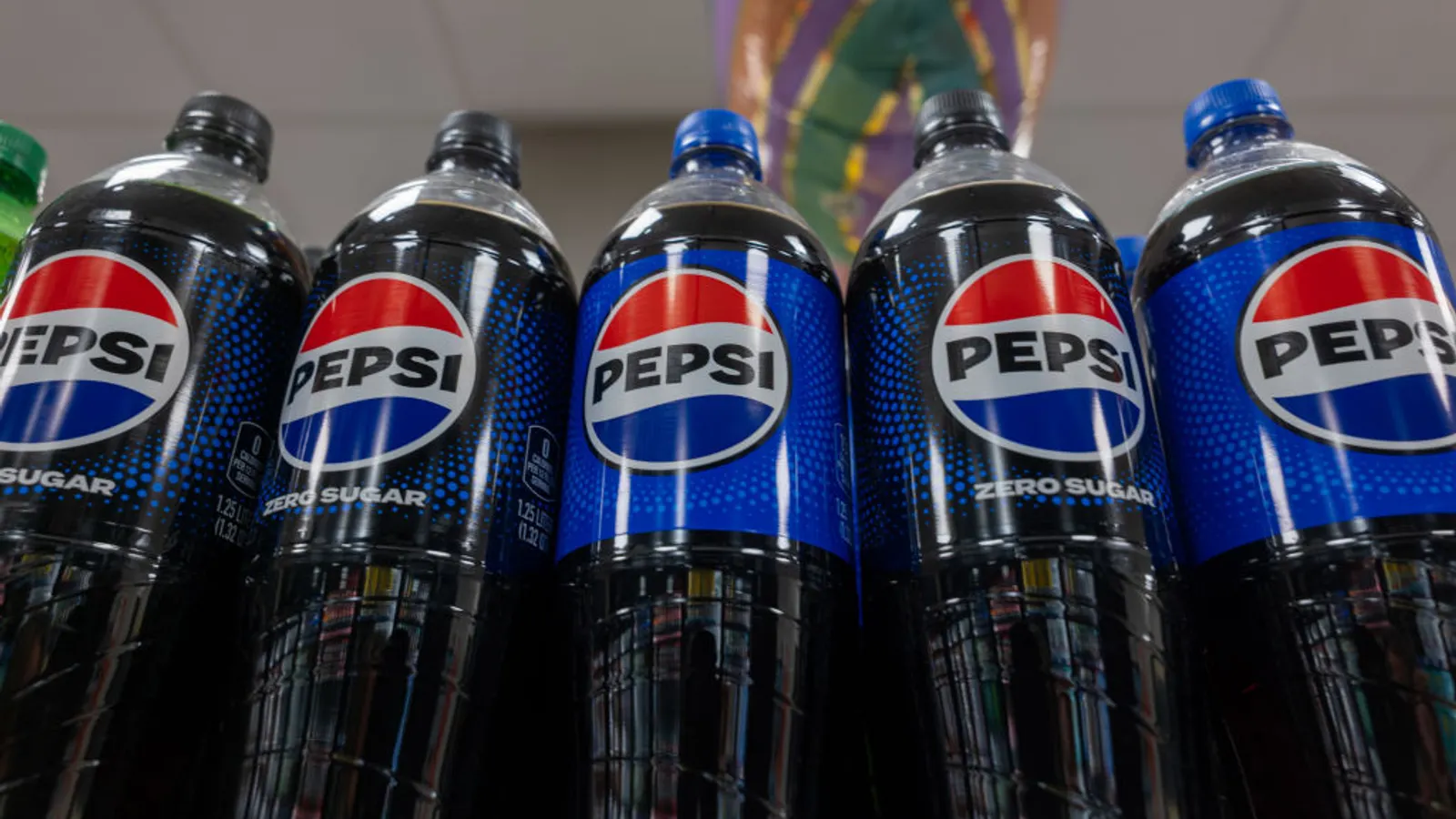
PepsiCo reported using 2 million metric tons of plastic in its packaging during 2025, slightly less year over year.
Less of the plastic in its primary packaging came from virgin materials than in 2024 and more plastic packaging included recycled content than in the past.
Fiber accounted for the largest share of PepsiCo’s packaging materials at 34%, followed by PET plastic at 30%, glass at 10%, aluminum at 8%, flexible films at 5% and the remainder labeled as “other.”
This is the company’s second sustainability report since changing its packaging targets in May 2025. Here’s where the CPG major stands on its updated goals.
Achieve an average of 2% year-over-year reduction in absolute tonnage of virgin plastics through 2030
Progress: 6% reduction in 2025, following 5% in 2024
This goal specifically applies to primary packaging for company-owned brands, manufacturing operations, franchise bottlers and certain joint ventures with 50% ownership or higher. Overall, those categories account for an estimated 80% of PepsiCo’s total packaging footprint by weight.
PepsiCo did not publish specific data on its virgin plastic usage in 2025. The most recent report filed with the Ellen MacArthur Foundation indicated it used 1.78 million metric tons in 2024, out of 2.1 million overall. PET bottles accounted for 71% of PepsiCo’s overall plastic packaging footprint at the time, followed by multimaterial flexibles at 12% as well as multiple other categories.
For 2025, the company cited North American examples such as lightweighting bottles in its Gatorade and Lipton beverage brands, which reduced an estimated 3,175 metric tons of plastic usage.
In Australia, the company converted the outer packaging for select chip multipacks from plastic overwraps to paper boxes. PepsiCo also cited its collaboration with Pulpex, a maker of molded fiber bottles, as another example of pursuing alternative materials.
Use 40% or greater recycled content in plastic packaging by 2035 or sooner
Progress: 18% in 2025, up from 15% in 2024
This goal similarly covers select types of primary packaging, which PepsiCo also said includes labels and closures.
It reported that more than 40 markets have at least one product with rPET. The company cited examples such as transitioning all beverage bottles to 100% rPET in Poland by the end of last year.
PepsiCo also notes it may use mass balance accounting to measure chemical recycling processes used for certain types of packaging. This includes an example of using a mass balance approach to measure additional recycled polypropylene in one type of UK chip packaging.



Contact Us



Copyright © 2023 apppexpo.com 保留所有权利 沪ICP备12019481号-1 |  沪公网安备31010102008440号