North American Digital Printing Enters the Era of Large-Scale Mass Production
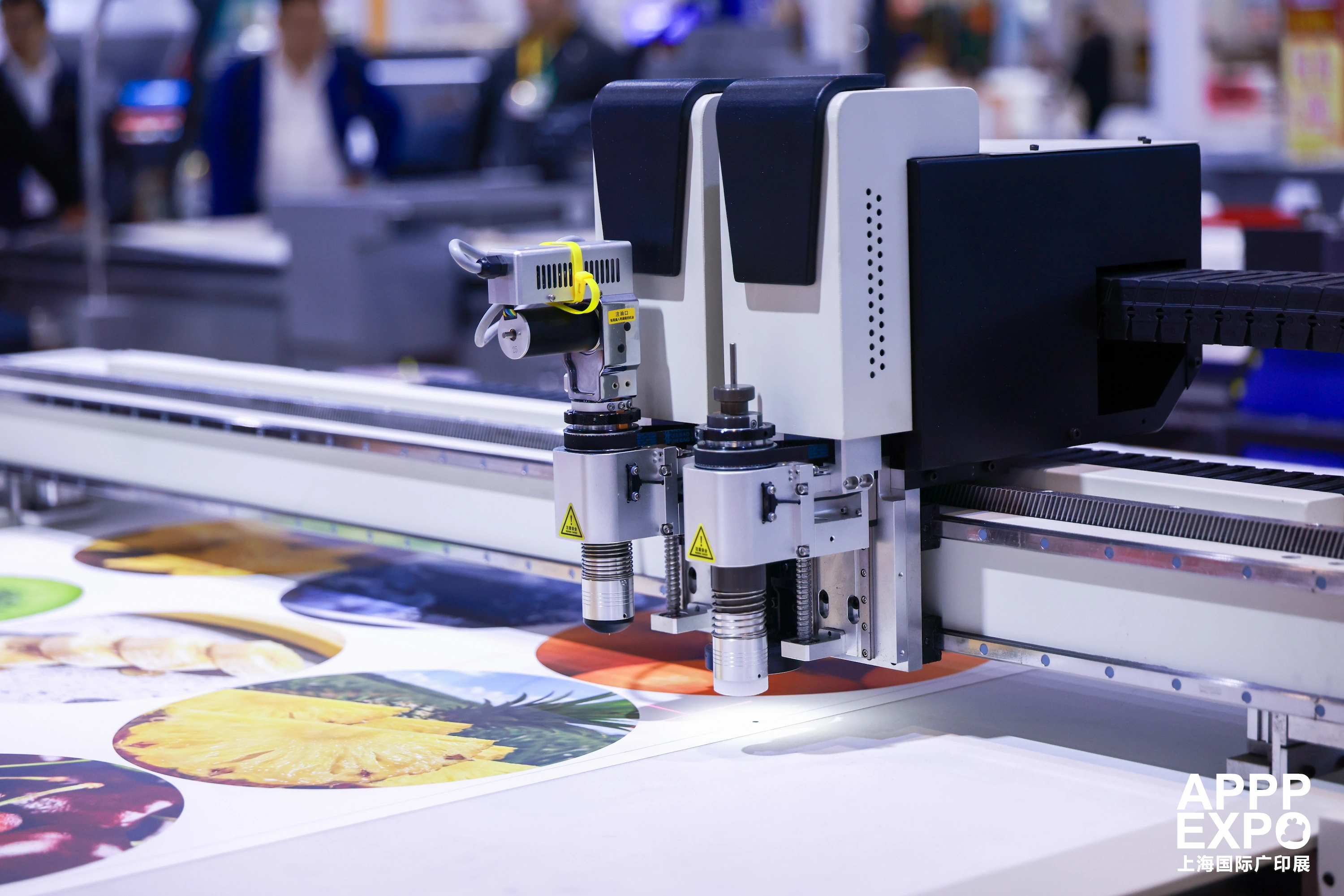
Over the past year, the North American digital printing industry has entered a new phase of development. The core competitiveness of the industry is no longer based on the performance of a single piece of equipment, but rather on the overall output capacity of an entire integrated production system. Across various sectors—including labels, packaging, commercial printing, and direct mail—printing companies are increasing their investments in next-generation printing equipment and automation platforms. These investments ensure consistent quality, high efficiency, and scalable capacity under strict industrial standards, creating a digital production ecosystem built around large-scale mass production that is reshaping the competitive rules of the industry.
In the past, digital printing was viewed merely as a supplementary tool for traditional methods like flexographic and offset printing. Today, it is steadily becoming the cornerstone of modern print production lines. As average order run lengths continue to decrease and production workflows become more complex, digital workflows demonstrate clear advantages. They effectively shorten order delivery cycles, support high-value-added print jobs, and build a more resilient production system against market risks.
This industry transformation is particularly visible in the label printing sector. Major North American label printers are actively closing the productivity gap that has long existed between digital and flexographic printing, challenging the old assumption that digital printing cannot handle mass production.
A prime example of this digital and large-scale transformation is The Label Factory, a well-known label printing company based in Iowa. The company has fully committed to digital printing as its core production route. Its facility is equipped entirely with high-end HP Indigo digital presses, including core models like the HP Indigo 6K and HP Indigo 690. Additionally, they have integrated the HP Indigo V12 digital press specifically to handle high-volume label orders, creating a digital capacity layout that covers both small and large orders. Behind this equipment investment is a clear strategic plan to combine the high-volume capacity advantages of traditional printing with the technical flexibility of digital printing. By breaking the limitation that digital printing is only suited for short runs, the company is essentially restructuring label production through digital logic.
Beyond label printing, the commercial printing and direct mail sectors are undergoing a similar upgrade. Next-generation digital presses and high-speed inkjet equipment dramatically reduce makeready times, streamline production workflows, and minimize manual intervention, making large-scale variable data print production possible. This flexible new production model allows printing companies to match each order with the most efficient equipment, significantly improving delivery speed while ensuring consistent print quality across the entire plant.
Looking at these industry trends, it is clear that the North American printing market is entering a brand-new landscape. Digital printing is no longer a passive alternative catching up to traditional methods, but the core driver redefining the entire print production system. For printing companies, the core question has shifted: the industry is no longer debating whether digital printing can achieve mass production, but rather how soon digital mass production will become the universal standard.
This transformative expansion is happening globally, well beyond the North American market. The global digital printing market is being further driven by the rise of sustainable printing, the integration of IoT and artificial intelligence, the expansion of functional printing, the growth of on-demand manufacturing, and the adoption of single-pass printing technologies.
Digital transformation is no longer just an optional advantage for the printing industry; it is an inevitable trend. As digital printing upgrades from a secondary support tool to the core foundation of the production line, the ability to build integrated production lines and master smart manufacturing will become the critical dividing line that separates competitive market leaders from the rest.



Contact Us





Copyright © 2023 apppexpo.com 保留所有权利 沪ICP备12019481号-1 |  沪公网安备31010102008440号