Global Solid Bleached Sulfate (SBS) Board Market Set for Massive Growth, Expected to Reach RMB 960 Billion by 2036
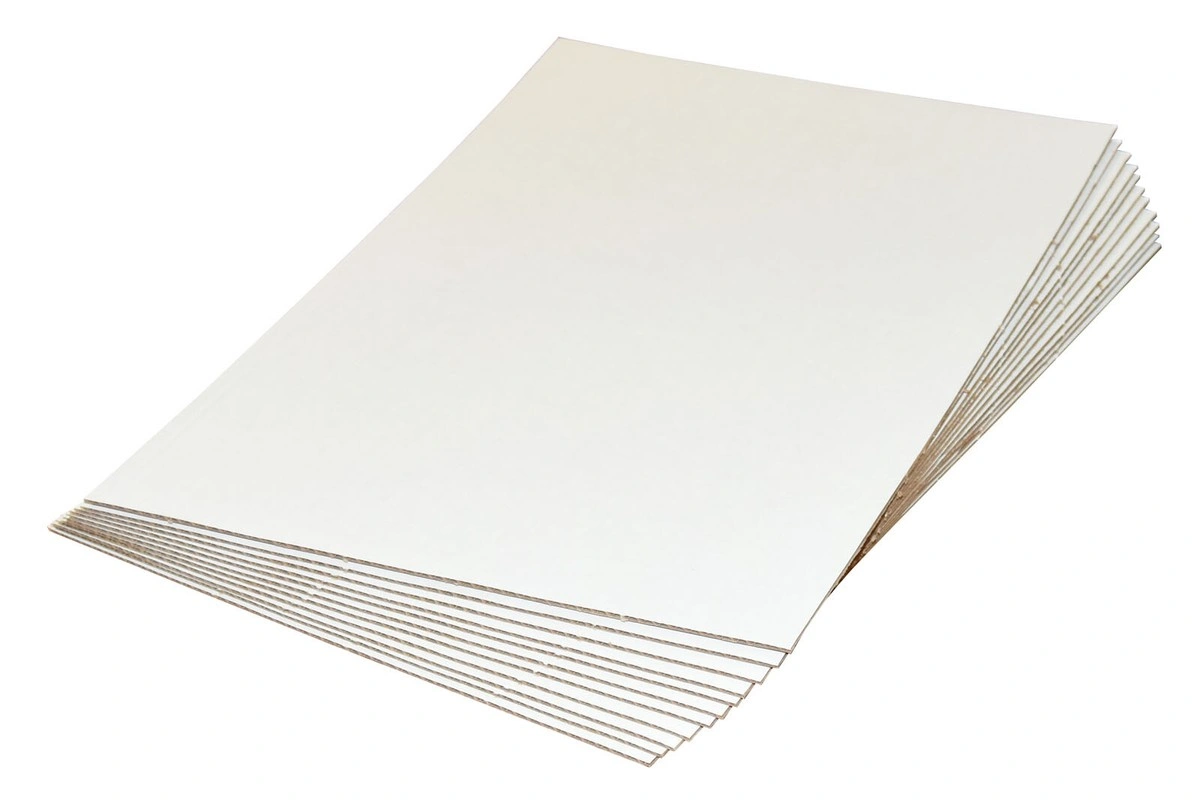
As the global consumer goods supply chain shifts away from plastic and adopts low-carbon regulations, the packaging industry is undergoing a major transformation. Solid Bleached Sulfate (SBS) board, high-quality white paperboard, has evolved from a standard box material into a high-performance alternative to plastic. According to the latest data from Future Market Insights, the global market for this paperboard is projected to grow from USD 74.9 billion in 2026 to USD 140.4 billion (approximately RMB 960 billion) by 2036, representing a strong compound annual growth rate of 6.5%. While the elimination of single-use plastics is driving this massive expansion, the growth is also powered by advanced coating technologies, integrated fiber supply chains, and intense competition among global brands for shelf space.
For a long time, white paperboard was viewed simply as a basic material for printed boxes. Today, strict global restrictions on plastic packaging have given it a strategic mission. Food service giants, consumer goods companies, and multinational retailers are widely replacing traditional plastic trays, windows, and inserts with fiber-based alternatives. This trend has allowed paperboard to become part of everyday life. It is now used for breakfast cereal boxes, ready-meal containers, cigarette packaging, medicine boxes, and premium gift boxes like those used for iPhones. Recent data shows that pulp-based materials now account for 70% of total packaging market demand, with the food and beverage sector alone using nearly half of the global supply. Brands are choosing modern paperboard not just to comply with environmental laws, but also for its high-quality visual appeal on store shelves. Manufacturers are investing heavily in the physical structure of the paperboard, pushing its brightness, rigidity, and printing performance to new levels without compromising recyclability. This material protects products during transport and enhances brand image at the point of sale, making it an essential part of circular packaging systems.
Previously, the biggest disadvantage of paperboard in food service, frozen foods, and medical applications was its inability to resist moisture and oxygen as effectively as plastic. Now, advancements in coating technology have turned barrier performance into a key competitive advantage for major paper mills. To achieve moisture, grease, and oxygen resistance while keeping the material recyclable, leading global mills are integrating dispersion coatings and bio-based barrier technologies directly into their production lines. Innovation in seaweed-based coatings and renewable barrier materials is growing rapidly, with forward-thinking companies like Notpla and Kelpi developing new bio-technologies that can fully replace traditional polyethylene plastic linings. These innovations have allowed paperboard to enter challenging markets previously dominated by plastics, such as ready-to-eat meal boxes, frozen foods, takeout packaging, and premium personal care products. At the same time, the gradual adoption of dry-forming technology is significantly reducing water and energy consumption during production, offering major environmental benefits for the packaging supply chain.
During this market expansion, the geography of global consumption is shifting noticeably. Asian markets, centered around China, India, and Indonesia, are becoming the primary drivers of sales volume due to their massive e-commerce sectors, rapidly expanding retail brands, and modernized manufacturing facilities. In contrast, mature markets in North America and Europe are shifting their focus toward premium specialty products, circular economy compliance, and advanced performance technologies, using high-value, customized paperboard to protect their profit margins. This geographic shift reflects a competition for control over the supply chain. Integrated producers that secure stable raw fiber sources and upgrade to advanced coating technologies within their own facilities are demonstrating strong pricing power and profit stability. Rather than relying entirely on the open market for pulp, these major paper companies are securing upstream forestry resources and downstream processing capacity to build resilience against market fluctuations.
Despite the positive outlook for the global market, underlying challenges remain difficult for the industry. Surging raw fiber prices, high energy costs, and the heavy capital investments required for environmental compliance are putting intense pressure on the profit margins of small and medium-sized mills. Independent paper companies that lack integrated pulp production facilities are highly vulnerable to commodity price volatility. As the cost of upgrading machinery and implementing advanced barrier technologies continues to rise, the barrier to entry for smaller regional businesses has become incredibly high. Many smaller mills lack the capital to finance these modernization projects or meet strict international environmental standards, which is accelerating industry consolidation and acquisitions globally, particularly in Asia and Europe. For companies remaining in the market, the ultimate test over the next decade will be finding the ideal balance between meeting strict performance demands from brands, complying with recyclability regulations, and maintaining cost competitiveness.



Contact Us





Copyright © 2023 apppexpo.com 保留所有权利 沪ICP备12019481号-1 |  沪公网安备31010102008440号