Researchers Successfully Print Fade-Proof "Structural Colors" Using Inkjet Printers
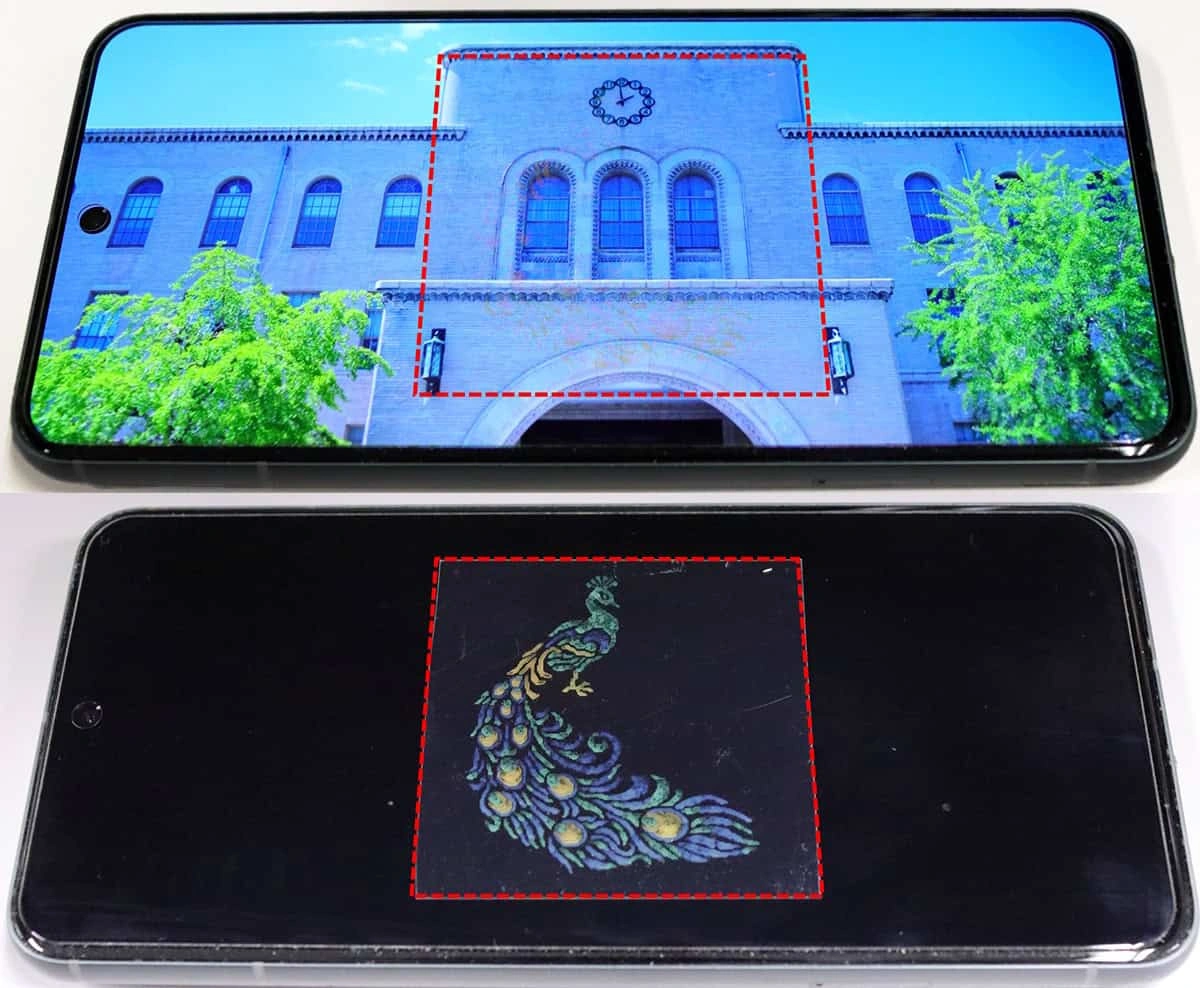
Traditional printing relies on chemical pigments, which eventually fade. However, nature often uses "structural color"—like the brilliant colors on peacock feathers—created by tiny nanostructures that interact with light. These colors never fade unless the structure itself is physically damaged, but they have always been very difficult to print.
Now, researchers from Kobe University in Japan have developed a breakthrough ink. They used tiny silicon nanoparticles to create a printable structural color. To prevent the particles from clumping together and losing their color quality, the team wrapped them in a protective silica shell, making the ink as easy to use as regular paint.
Using a standard inkjet printer, the team successfully printed sharp images on both flat plastic films and 3D metal surfaces.
Interestingly, these printed images show unique optical traits: they look transparent when light passes through them, but show vibrant colors when light reflects off the top. By adjusting the size of the nanoparticles, the researchers can easily change the printed colors.
This new technology has huge potential. Since the colors are non-toxic and permanent, they can be used for counterfeit protection, smart windows, eco-friendly displays, and long-lasting artwork.
This study was published in the journal Advanced Materials.



Contact Us





Copyright © 2023 apppexpo.com 保留所有权利 沪ICP备12019481号-1 |  沪公网安备31010102008440号