Polysynth Launches Multi-Material Resin 3D Printer for Dental Applications
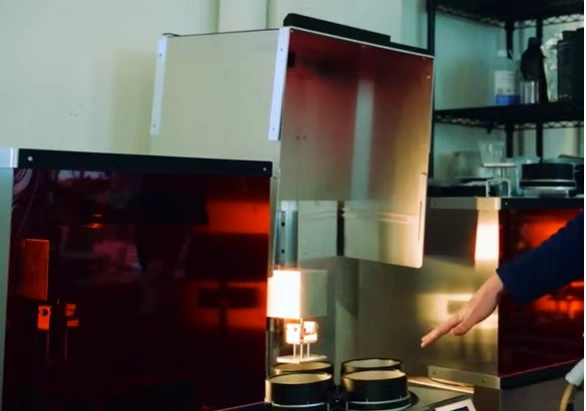
In the light-curing 3D printing industry, desktop devices attempting to complete simultaneous processing of multiple materials in a single printing process has always been a recognized high-difficulty technical challenge. While industry leaders such as 3D Systems and Stratasys have implemented multi-material printing solutions via jetting processes, mainstream SLA, DLP, and MSLA light-curing technologies in the market have long been limited to using a single type of resin in a single print, representing a clear shortcoming in industry development. Polysynth, an American startup founded in 2025, has targeted this market gap by launching the Poly1 Mini dental multi-material resin 3D printer, which is expected to bridge the functional shortcomings of traditional light-curing equipment.
Polysynth is part of the Founders Inc. investment portfolio; since its inception, the company has locked its core application track onto the field of dental technology, deeply aligning with the high-precision, multi-material customization needs of dental laboratories. Company founder Eric Potempa released a six-minute demonstration video, showcasing the operational status of a laboratory prototype on-site and explaining the equipment's working principles in detail. At the same time, several fine dental print models were displayed, intuitively reflecting the equipment's advantages in detail precision and multi-material molding, which fits the practical application standards of the dental industry.
One of the core technical highlights of this new product is the inclusion of specialized water-soluble support materials. After conventional resin light-curing printing is completed, support structures can only be removed and polished manually, which not only consumes a significant amount of labor and time but also easily leads to model damage or loss of detail when dealing with delicate and complex workpieces like dental models. The water-soluble support material developed by Polysynth can significantly simplify post-processing stages, easily forming complex hollow and irregular structures that were difficult to achieve with traditional processes. However, the company has not yet publicly disclosed the specific technical principles for achieving automatic multi-material switching during the printing process, and the core process remains confidential.
The multi-material molding characteristics make this 3D printer highly compatible with the dental industry, as custom dental parts often need to integrate materials with different properties, balancing rigid model bases, flexible simulated areas, and specialized support structures. The Poly1 Mini can complete the simultaneous molding of multiple materials and colors in a single print, and it focuses on the manufacturing of functional components rather than being limited to appearance prototype printing. Beyond the dental medical track, the equipment also possesses broad cross-industry application space, suitable for industrial product prototype development, small-batch customized production of functional parts, and other scenarios, providing a new solution for the formation of multi-material composite structures.
At this stage, several key pieces of information regarding this dental multi-material resin 3D printer remain blank. The official team has not yet disclosed core commercial parameters such as printing speed, compatible material categories, market pricing, or the official launch date. Additionally, there are currently no independent performance tests conducted by third-party professional institutions; its multi-material printing stability, long-term reliability, and suitability for professional scenarios still await verification through future market testing.



Contact Us





Copyright © 2023 apppexpo.com 保留所有权利 沪ICP备12019481号-1 |  沪公网安备31010102008440号