F1 Teams Leverage 3D Printing to Outsmart New Compression Ratio Rules
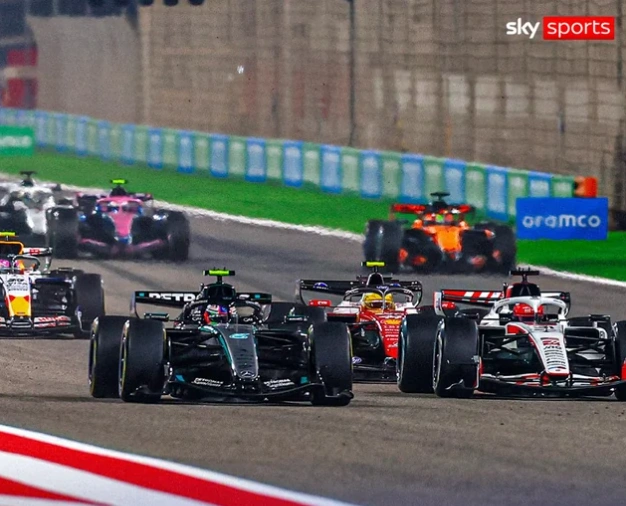
Reports suggest that Mercedes and Red Bull Racing have found a way to bypass F1’s new compression ratio regulations for the 2026 season. The FIA reduced the maximum allowable compression ratio from 18:1 to 16:1 to lower R&D costs and level the playing field for new entrants.
However, engineering teams at Mercedes and Red Bull exploited a loophole by utilizing the thermal expansion properties of metal materials. They developed a "dynamic compression ratio" solution that is "compliant when cold, but high-performance when hot." The logic is simple yet brilliant: when the engine is stationary (at room temperature for inspection), the dimensions of the pistons and connecting rods perfectly match the 16:1 ratio. Once in race conditions (with cylinder temperatures exceeding 200°C and RPMs over 10,000), the components expand precisely, shrinking the effective combustion chamber volume and quietly pushing the actual compression ratio back toward the original 18:1 level.
The key to this "physical magic" lies in 3D-printed (additive manufacturing) pistons with specialized internal structures. Traditional forged pistons are solid, leading to uniform and limited thermal expansion (only 0.1–0.2 mm), which is insufficient to alter the compression ratio. In contrast, Mercedes and Red Bull used 3D printing to build complex lattices, hollow cavities, and directional channels inside steel pistons—structures impossible to achieve with traditional manufacturing.
This precision design serves two core functions:
-
Controlled Thermal Expansion: By adjusting local material density and structure, key areas like the piston crown undergo large, directional thermal deformation (expanding by 0.12–0.18 mm) to precisely reduce combustion chamber volume.
-
Targeted Heat Management: Combustion heat is guided toward specific zones to amplify the expansion effect in pre-set areas, maximizing the compression ratio boost while avoiding the uniform expansion seen in solid pistons.
Paddock technical experts estimate this solution provides a power gain of 10–13 horsepower. In the world of F1, where every millisecond counts, this translates to a 0.2–0.4 second improvement per lap—a decisive advantage in both qualifying and race duels.



Contact Us





Copyright © 2023 apppexpo.com 保留所有权利 沪ICP备12019481号-1 |  沪公网安备31010102008440号