Flexible Packaging Reshaping Global Supply Chains: Market Reaches $350 Billion with 5.5% Annual Growth
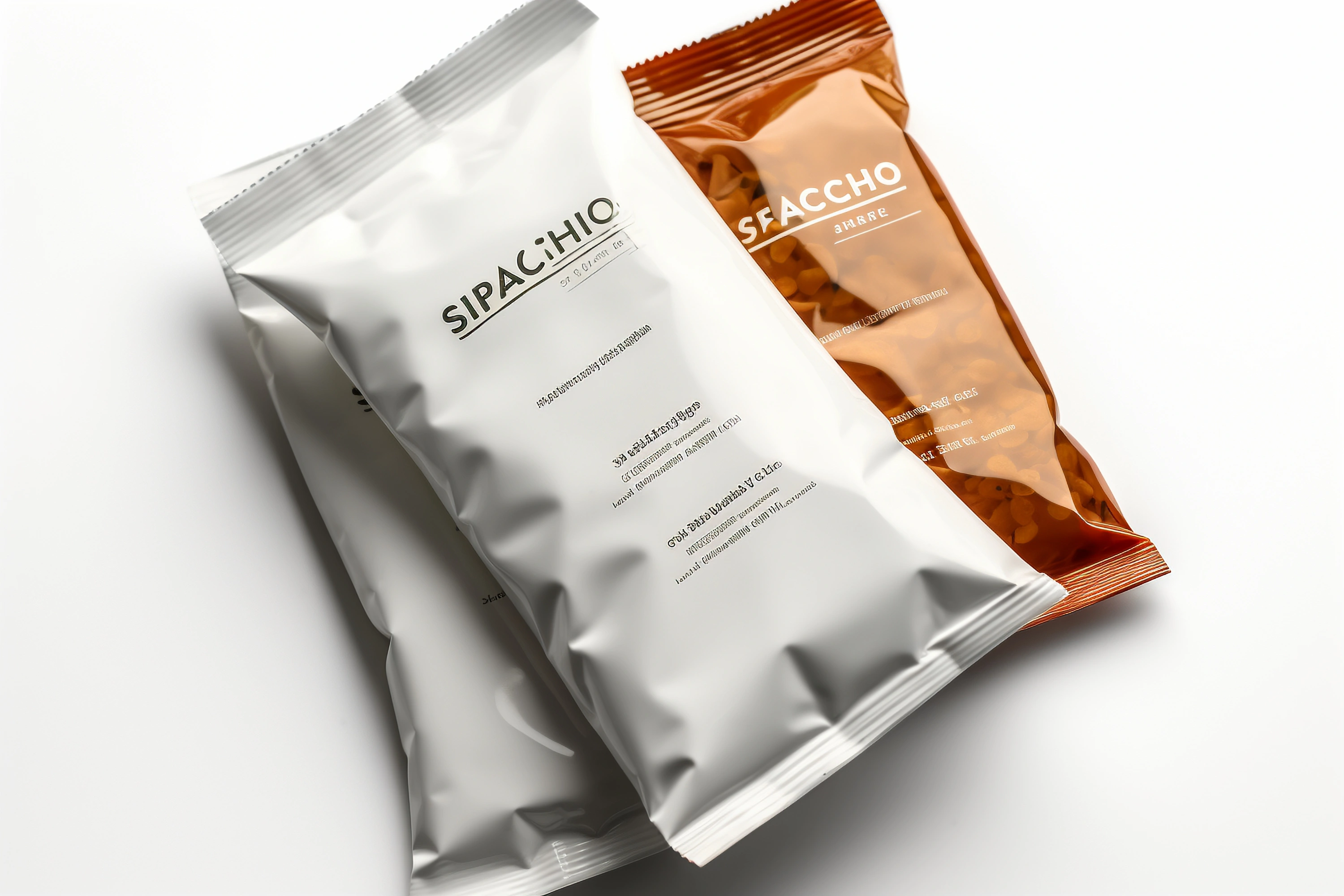
The global flexible packaging market is steadily moving toward a $350 billion scale. Three major forces—food and beverages, e-commerce, and sustainability policies—are reshaping the industry's competitive landscape. Let’s look at the latest insights from GlobalData.
1. Market Size: Growing Steadily with High Potential In 2025, the global flexible packaging market reached $269.2 billion, a year-on-year increase of 2.7%. Over the past five years, the average compound growth rate has remained at 3.2%. While this isn't explosive growth, the base is massive—it’s already a market worth nearly 3 trillion RMB.
What’s even more noteworthy is the forecast: by 2030, the market size is expected to exceed $351.6 billion, and the annual growth rate will speed up to 5.5%. Why the acceleration? The answer lies in the dual drivers of regulation and sustainability, which we will discuss later.
Global Flexible Packaging Market Size and Growth (2020-2025): Market size climbed steadily from $229.9 billion in 2020 to $269.2 billion in 2025, with growth recovering since its 2022 low.
2. Who Uses Flexible Packaging? Food and Beverage Ranks First Looking at the market by use, food and beverages firmly take first place with a 59.8% share, followed by medical and pharmaceuticals (15.1%), and FMCG and personal care (7.1%).
This structure has barely changed in five years. The logic is simple: flexible packaging extends food shelf life, reduces transport damage, and controls material costs—making it a necessity for food companies. With the popularity of food delivery and ready-to-eat meals, this demand will not shrink easily.
Global Flexible Packaging Market by Category (2020-2025): The food and beverage share has remained stable above 59% for five consecutive years, serving as the core consumer driver.
3. Where is the Buying Happening? Asia-Pacific Holds the Top Spot In terms of regional distribution, Asia-Pacific ranks first globally with a 28.6% share ($77 billion market size); North America (23.1%) and Europe (19.9%) rank second and third; South America (17.2%) also has a volume that cannot be ignored.
The strong performance of Asia-Pacific is backed by rising urbanization. According to the report, Asia-Pacific will have over 2.2 billion urban residents by 2025, making it the world's most densely urbanized region. More urban people mean higher demand for packaged food and branded goods. The rise of middle-class consumption in emerging markets like India and Southeast Asia is providing continuous fuel for this market.
Global Flexible Packaging Market Regional Distribution (2025): Asia-Pacific leads the world with nearly a 30% share, South America performed better than expected, and the Middle East/Africa is the untapped region with the most growth potential.
4. Five Forces Model: Is it a Good Business to Enter? The report uses Porter’s Five Forces to analyze the industry's competition, and the conclusions are clear:
Competition Intensity: Strong. Global giants like Amcor, Mondi, Sealed Air, and Toppan are not only massive but continue to expand through mergers. Amcor’s 2025 merger with Berry Global further widened the gap with its followers.
Buyer Bargaining Power: Moderate. Large customers (like Nestlé and P&G) have bargaining power, but the switching costs for customized packaging keep some customers locked in, balancing the two forces.
Suppliers: Moderate. There are many suppliers for general resins, leading to fierce competition. However, the supply of high-barrier films and specialty composite materials is highly concentrated. When these raw material prices fluctuate, the pressure to pass on costs is obvious—the whole industry felt this during the 2022 price surge.
New Entrants: Moderate. Capital barriers are high and compliance is strict, but niche sectors (like short-run digital printing) leave gaps for new players. ePac used digital printing to enter and was acquired by private equity in 2025 to accelerate expansion.
Substitutes: Moderate. Glass, metal, and cardboard are competitors, but for lightness, sealing, and cost, flexible packaging has a clear advantage, making large-scale replacement unlikely.
5. Sustainability: From a Bonus to a Requirement This is the most important variable in the report. The EU "Packaging and Packaging Waste Regulation" officially took effect in February 2026; multiple US states are pushing EPR (Extended Producer Responsibility) legislation; China is also advancing plastic pollution control and green packaging standards. Regulatory pressure is no longer a "future thing" but something to "deal with now."
Top companies are reacting quickly: Amcor invested $120 million in R&D in 2025 with over 7,000 patents; Mondi made the revenue share of recyclable and compostable packaging a core strategy; Tetra Pak launched a new juice packaging solution replacing fossil-based materials with paper-based materials in late 2025. For brands, this means procurement decisions are shifting from "price-first" to a "price + sustainability certification" dual system.
6. Growth Logic for the Next Five Years Global Flexible Packaging Market Size Forecast (2025-2030): The market is expected to reach $351.6 billion in 2030, with the annual growth rate potentially hitting 7.1% by that year.
The three core growth drivers are: the continuous pull for lightweight packaging from e-commerce logistics, increased consumption from urbanization in emerging markets, and the product premium space created by sustainability laws forcing industry upgrades.
The global flexible packaging market is in a key transition period of "stable volume and rising quality." Asia-Pacific is the most important growth market, and sustainability regulation is the most certain long-term variable. For supply chain professionals, brands, and investors, now is the time to rethink strategic layouts in flexible packaging.
Three Key Insights
Insight 1: South America is an undervalued market. With a 17.2% share and a size of $46.4 billion (more than double that of the Middle East and Africa), its growth in consumer packaging is outpacing mature markets in Europe and America.
Insight 2: Digital printing is breaking scale barriers. Traditional flexible packaging requires large batches, but digital printing allows for small-batch customization. ePac’s rise proves brands will pay a premium for "fast response + personalization."
Insight 3: Compliance costs will redistribute industry profits. As mandatory requirements for food contact materials, recycled content, and carbon footprints are implemented, compliance costs will weigh heavier on small converters. Top companies, with their scale advantages, will absorb costs better, likely increasing industry concentration.
The global flexible packaging market is steadily moving toward a $350 billion scale. Three major forces—food and beverages, e-commerce, and sustainability policies—are reshaping the industry's competitive landscape. Let’s look at the latest insights from GlobalData.
1. Market Size: Growing Steadily with High Potential In 2025, the global flexible packaging market reached $269.2 billion, a year-on-year increase of 2.7%. Over the past five years, the average compound growth rate has remained at 3.2%. While this isn't explosive growth, the base is massive—it’s already a market worth nearly 3 trillion RMB.
What’s even more noteworthy is the forecast: by 2030, the market size is expected to exceed $351.6 billion, and the annual growth rate will speed up to 5.5%. Why the acceleration? The answer lies in the dual drivers of regulation and sustainability, which we will discuss later.
Global Flexible Packaging Market Size and Growth (2020-2025): Market size climbed steadily from $229.9 billion in 2020 to $269.2 billion in 2025, with growth recovering since its 2022 low.
2. Who Uses Flexible Packaging? Food and Beverage Ranks First Looking at the market by use, food and beverages firmly take first place with a 59.8% share, followed by medical and pharmaceuticals (15.1%), and FMCG and personal care (7.1%).
This structure has barely changed in five years. The logic is simple: flexible packaging extends food shelf life, reduces transport damage, and controls material costs—making it a necessity for food companies. With the popularity of food delivery and ready-to-eat meals, this demand will not shrink easily.
Global Flexible Packaging Market by Category (2020-2025): The food and beverage share has remained stable above 59% for five consecutive years, serving as the core consumer driver.
3. Where is the Buying Happening? Asia-Pacific Holds the Top Spot In terms of regional distribution, Asia-Pacific ranks first globally with a 28.6% share ($77 billion market size); North America (23.1%) and Europe (19.9%) rank second and third; South America (17.2%) also has a volume that cannot be ignored.
The strong performance of Asia-Pacific is backed by rising urbanization. According to the report, Asia-Pacific will have over 2.2 billion urban residents by 2025, making it the world's most densely urbanized region. More urban people mean higher demand for packaged food and branded goods. The rise of middle-class consumption in emerging markets like India and Southeast Asia is providing continuous fuel for this market.
Global Flexible Packaging Market Regional Distribution (2025): Asia-Pacific leads the world with nearly a 30% share, South America performed better than expected, and the Middle East/Africa is the untapped region with the most growth potential.
4. Five Forces Model: Is it a Good Business to Enter? The report uses Porter’s Five Forces to analyze the industry's competition, and the conclusions are clear:
Competition Intensity: Strong. Global giants like Amcor, Mondi, Sealed Air, and Toppan are not only massive but continue to expand through mergers. Amcor’s 2025 merger with Berry Global further widened the gap with its followers.
Buyer Bargaining Power: Moderate. Large customers (like Nestlé and P&G) have bargaining power, but the switching costs for customized packaging keep some customers locked in, balancing the two forces.
Suppliers: Moderate. There are many suppliers for general resins, leading to fierce competition. However, the supply of high-barrier films and specialty composite materials is highly concentrated. When these raw material prices fluctuate, the pressure to pass on costs is obvious—the whole industry felt this during the 2022 price surge.
New Entrants: Moderate. Capital barriers are high and compliance is strict, but niche sectors (like short-run digital printing) leave gaps for new players. ePac used digital printing to enter and was acquired by private equity in 2025 to accelerate expansion.
Substitutes: Moderate. Glass, metal, and cardboard are competitors, but for lightness, sealing, and cost, flexible packaging has a clear advantage, making large-scale replacement unlikely.
5. Sustainability: From a Bonus to a Requirement This is the most important variable in the report. The EU "Packaging and Packaging Waste Regulation" officially took effect in February 2026; multiple US states are pushing EPR (Extended Producer Responsibility) legislation; China is also advancing plastic pollution control and green packaging standards. Regulatory pressure is no longer a "future thing" but something to "deal with now."
Top companies are reacting quickly: Amcor invested $120 million in R&D in 2025 with over 7,000 patents; Mondi made the revenue share of recyclable and compostable packaging a core strategy; Tetra Pak launched a new juice packaging solution replacing fossil-based materials with paper-based materials in late 2025. For brands, this means procurement decisions are shifting from "price-first" to a "price + sustainability certification" dual system.
6. Growth Logic for the Next Five Years Global Flexible Packaging Market Size Forecast (2025-2030): The market is expected to reach $351.6 billion in 2030, with the annual growth rate potentially hitting 7.1% by that year.
The three core growth drivers are: the continuous pull for lightweight packaging from e-commerce logistics, increased consumption from urbanization in emerging markets, and the product premium space created by sustainability laws forcing industry upgrades.
The global flexible packaging market is in a key transition period of "stable volume and rising quality." Asia-Pacific is the most important growth market, and sustainability regulation is the most certain long-term variable. For supply chain professionals, brands, and investors, now is the time to rethink strategic layouts in flexible packaging.
Three Key Insights
Insight 1: South America is an undervalued market. With a 17.2% share and a size of $46.4 billion (more than double that of the Middle East and Africa), its growth in consumer packaging is outpacing mature markets in Europe and America.
Insight 2: Digital printing is breaking scale barriers. Traditional flexible packaging requires large batches, but digital printing allows for small-batch customization. ePac’s rise proves brands will pay a premium for "fast response + personalization."
Insight 3: Compliance costs will redistribute industry profits. As mandatory requirements for food contact materials, recycled content, and carbon footprints are implemented, compliance costs will weigh heavier on small converters. Top companies, with their scale advantages, will absorb costs better, likely increasing industry concentration.



Contact Us





Copyright © 2023 apppexpo.com 保留所有权利 沪ICP备12019481号-1 |  沪公网安备31010102008440号